Can What You Eat Affect Acne? What the Research Really Says
If you've ever wondered whether your diet could be contributing to breakouts, you're not alone. Acne is one of the most common skin conditions, affecting people of all ages—not just teenagers. While hormones, genetics, stress, medications, and skincare habits all play important roles, research suggests that nutrition may also influence acne for some individuals.
The good news? There's no need to eliminate entire food groups or follow restrictive diets based on social media trends. Instead, understanding what the research actually says can help you make informed choices that support both your skin and your overall health.
Blood Sugar and Skin Health
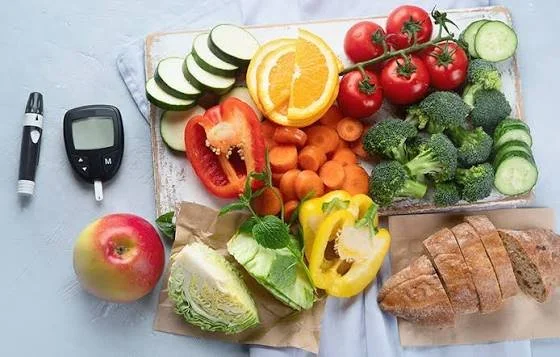
One of the strongest areas of nutrition research related to acne involves foods with a high glycemic index (GI). High-glycemic foods are digested quickly, causing blood sugar and insulin levels to rise rapidly. Examples include sugary beverages, candy, pastries, white bread, and many highly processed snack foods.
Elevated insulin levels may increase the production of hormones that stimulate oil (sebum) production in the skin. Excess oil, combined with clogged pores and bacteria, can contribute to acne development in some individuals.
Rather than avoiding carbohydrates altogether, focus on choosing carbohydrates that digest more slowly and provide fiber. These include:
Whole grains like oats, quinoa, and brown rice
Beans and lentils
Fruits and vegetables
Sweet potatoes
Whole-grain breads and pasta
These foods help promote steadier blood sugar levels while also providing important vitamins, minerals, and antioxidants.
What About Dairy?
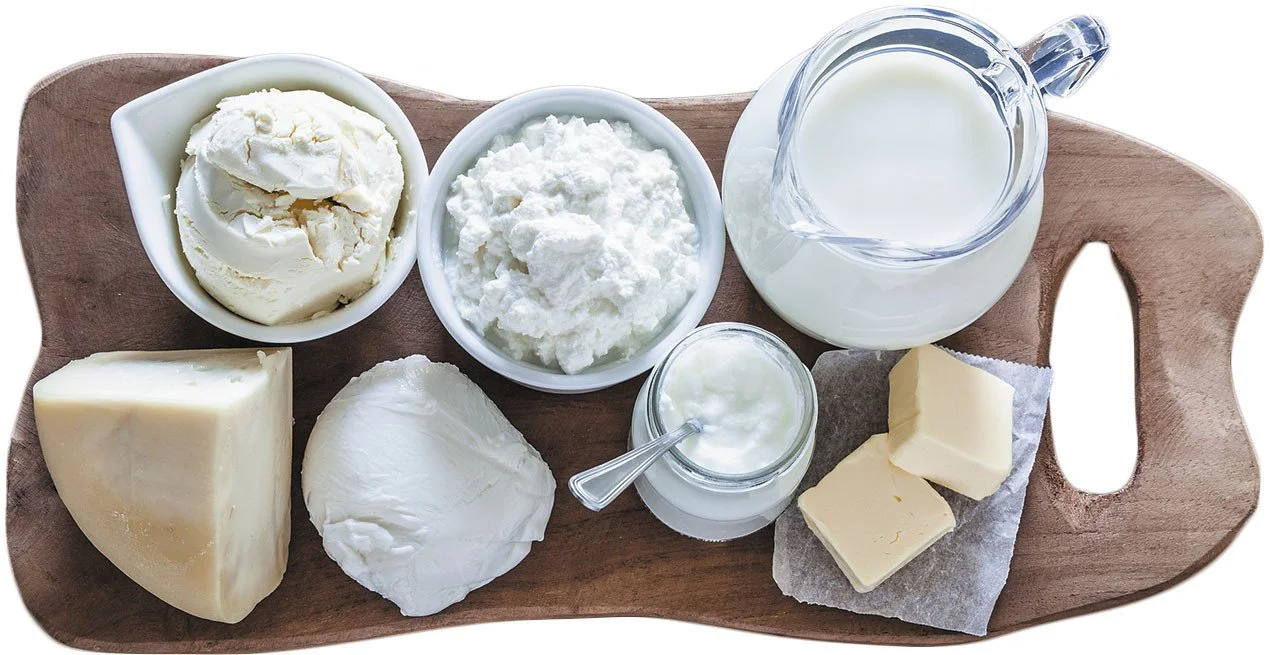
Dairy is one of the most talked-about foods when it comes to acne. Some studies have found an association between dairy intake—particularly skim milk—and acne in certain populations. However, an association does not prove that dairy causes acne, and researchers are still working to understand why this relationship exists.
It's important to remember that many people consume dairy without experiencing any skin concerns. Dairy products also provide high-quality protein, calcium, vitamin D, and other nutrients that support overall health.
If you suspect dairy may be affecting your skin, it's best to work with a registered dietitian before eliminating it from your diet. Together, you can determine whether a trial elimination is appropriate while ensuring your nutritional needs continue to be met.
Anti-Inflammatory Eating Patterns
Although no single food can "cure" acne, an eating pattern rich in whole foods may help support your body's normal inflammatory response.
An anti-inflammatory eating pattern includes:
Colorful fruits and vegetables
Fatty fish rich in omega-3 fatty acids
Nuts and seeds
Olive oil
Beans and legumes
Whole grains
These foods provide antioxidants, healthy fats, vitamins, and minerals that support overall skin and body health.
On the other hand, diets high in ultra-processed foods, added sugars, and refined carbohydrates may not provide the same nutritional benefits.
Supplements Aren't Always the Answer
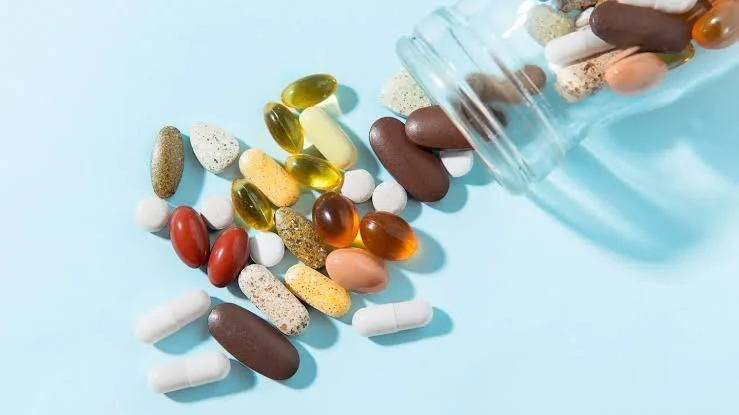
Many supplements marketed for acne promise fast results, but the evidence behind them is often limited or inconsistent. In fact, taking large amounts of certain vitamins or minerals can sometimes do more harm than good.
Before starting any supplement, it's important to speak with your healthcare provider or registered dietitian. Most people benefit far more from building balanced eating habits than relying on expensive products with bold marketing claims.
Every Person Is Different
One of the biggest misconceptions about acne nutrition is that there is one perfect diet for everyone. The reality is much more individualized.
Some people notice certain foods seem to worsen their breakouts, while others can eat those same foods without any issues. Keeping a food and symptom journal may help identify personal patterns, but remember that acne often fluctuates because of hormones, stress, sleep, and other factors as well.
Avoid blaming yourself for breakouts. Acne is a complex condition, and nutrition is just one piece of the puzzle.
The Bottom Line
Current research suggests that nutrition may influence acne in some individuals, particularly through overall dietary patterns and blood sugar regulation. Rather than focusing on "good" or "bad" foods, aim for a balanced diet that includes plenty of fruits, vegetables, whole grains, lean proteins, healthy fats, and adequate hydration.
If you're struggling with persistent acne and wondering whether your diet could be playing a role, working with a registered dietitian can help you evaluate your eating habits and develop a realistic, evidence-based plan that supports both your skin and your overall health.
References
American Academy of Dermatology Association. Can Diet Affect Acne?
Juhl CR, Bergholdt HKM, Miller IM, et al. Dairy intake and acne vulgaris: A systematic review and meta-analysis. Journal of the European Academy of Dermatology and Venereology. 2018.
Reynolds RC, Lee S, Choi JY, et al. Effect of the glycemic index of the diet on acne vulgaris. Nutrients. 2010.
National Institutes of Health Office of Dietary Supplements. Vitamin D Fact Sheet for Health Professionals.
Academy of Nutrition and Dietetics. Evidence Analysis Library: Nutrition and Acne.