The Gut-Skin Connection: How Your Digestive Health May Influence Your Skin
Have you ever experienced a stressful week and noticed your skin breaking out? Or perhaps you've dealt with digestive discomfort and wondered if it could somehow be related to changes in your complexion. While your gut and your skin may seem unrelated, research suggests they are more connected than you might think.
Scientists often refer to this relationship as the gut-skin axis—the ongoing communication between the digestive system, immune system, and skin. Although researchers are still learning exactly how these systems interact, there's growing evidence that supporting your gut health through nutrition and lifestyle habits may also benefit your skin.
Your Gut Is Home to Trillions of Microorganisms
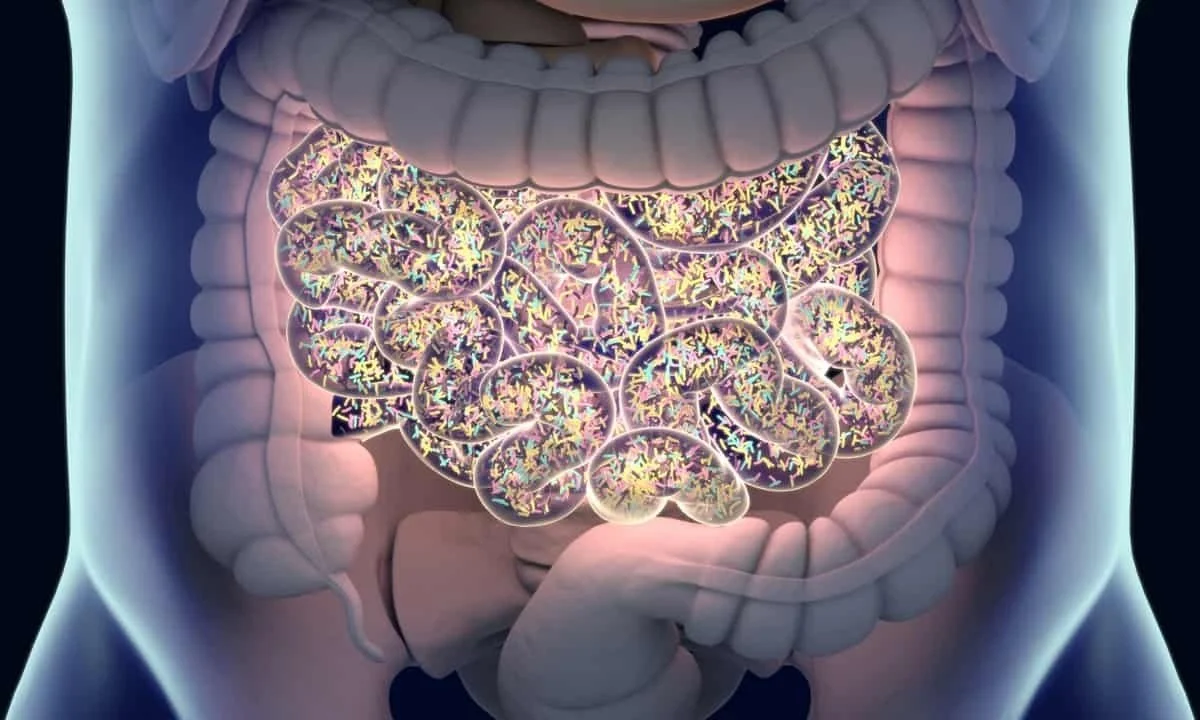
Inside your digestive tract live trillions of bacteria, fungi, and other microorganisms collectively known as the gut microbiome. While that may sound alarming, many of these microbes play essential roles in maintaining your health.
A healthy gut microbiome helps digest certain foods, produce beneficial compounds, support immune function, and maintain the integrity of your intestinal lining. Because nearly 70% of the body's immune cells are found in the digestive tract, your gut has a significant influence on your body's overall inflammatory response—including the skin.
Researchers continue to study how changes in the gut microbiome may be associated with skin conditions such as acne, eczema, rosacea, and psoriasis. While more research is needed, maintaining a healthy gut is an important part of supporting overall wellness.
Feed Your Gut with Fiber
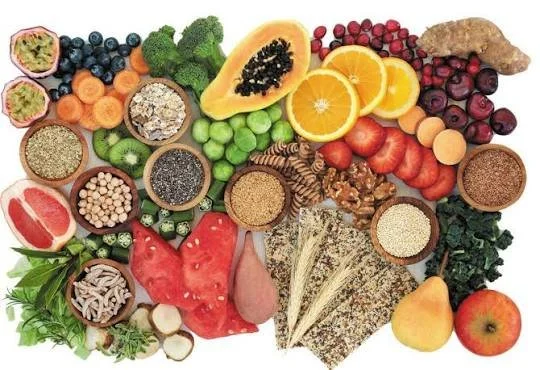
One of the best ways to support beneficial gut bacteria is by eating enough dietary fiber. Fiber acts as food for many of the helpful bacteria living in your intestines. As these bacteria break down fiber, they produce compounds called short-chain fatty acids, which help support gut health and immune function.
Most adults do not consume enough fiber each day.
Foods rich in fiber include:
Fruits such as apples, berries, and pears
Vegetables like broccoli, carrots, Brussels sprouts, and leafy greens
Beans and lentils
Whole grains such as oats, quinoa, and brown rice
Nuts and seeds
Increasing fiber gradually and drinking adequate water can help improve tolerance while supporting digestive health.
Don't Forget Prebiotics and Probiotics
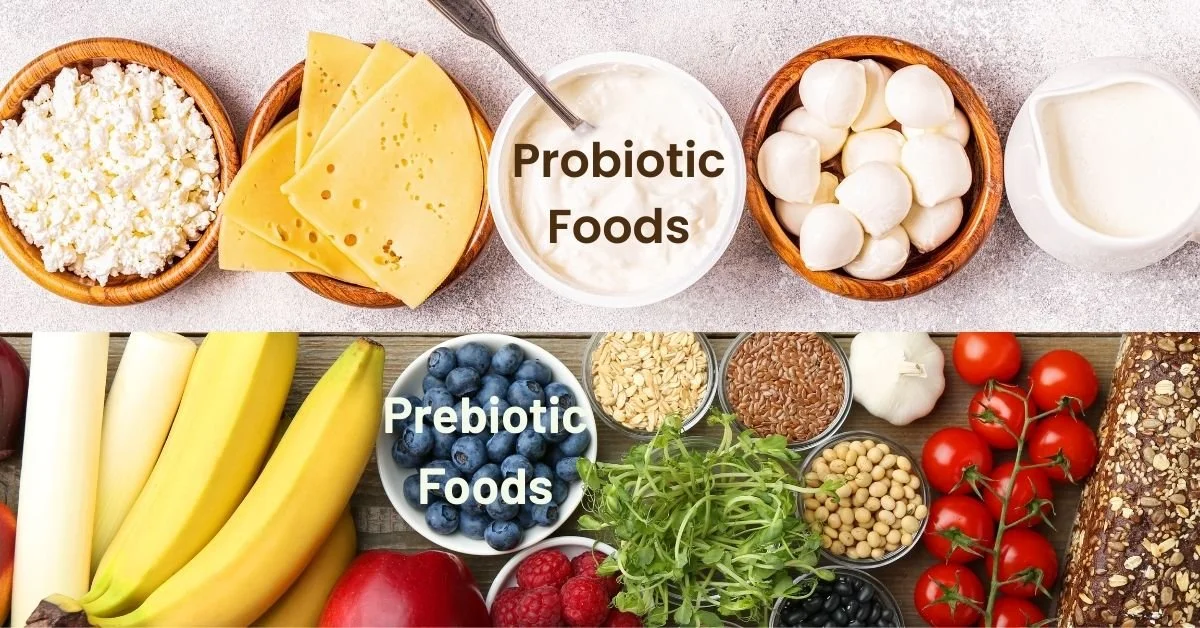
You may have heard the terms prebiotics and probiotics, but they serve different purposes.
Prebiotics are types of fiber that nourish beneficial gut bacteria. Foods naturally rich in prebiotics include onions, garlic, asparagus, bananas, oats, and legumes.
Probiotics are live microorganisms found in fermented foods such as yogurt with live cultures, kefir, kimchi, sauerkraut, miso, and tempeh.
Although probiotic supplements are heavily marketed for both gut and skin health, research shows that not every strain provides the same benefits. At this time, experts generally recommend focusing first on a varied, fiber-rich diet before considering supplements unless advised by your healthcare provider.
Lifestyle Matters, Too

Nutrition is only one part of maintaining a healthy gut. Other lifestyle habits also influence both digestive and skin health.
Getting enough sleep, managing stress, staying physically active, and avoiding tobacco products all support your body's normal inflammatory response and overall well-being.
Stress deserves special attention because it can affect digestion, alter the gut microbiome, and contribute to skin flare-ups in some individuals. Incorporating stress-management techniques such as walking, yoga, prayer, meditation, or deep breathing may benefit both your mental and physical health.
Focus on Your Overall Eating Pattern
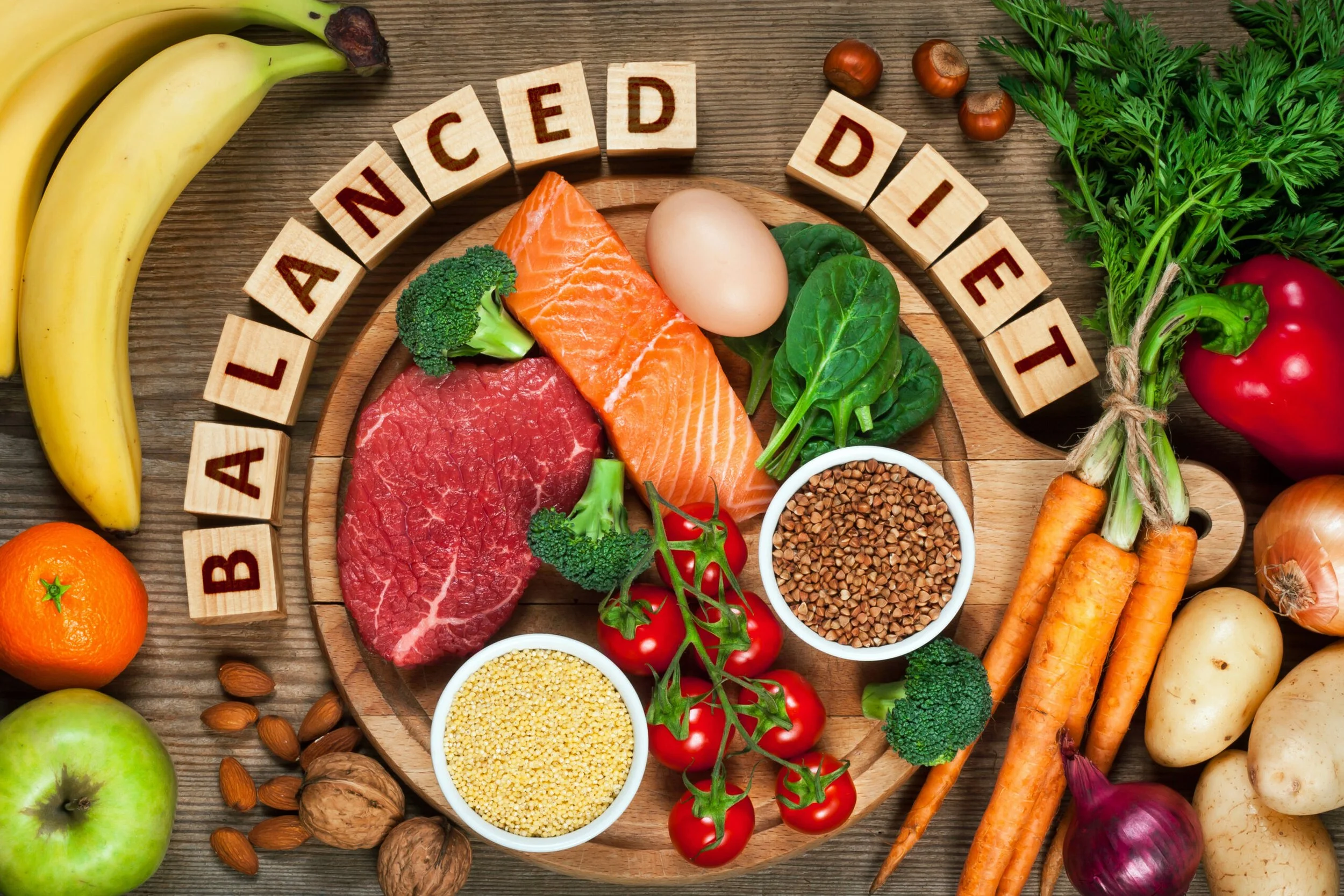
When it comes to improving gut health, consistency matters more than perfection. Rather than searching for one "superfood" or the latest supplement, focus on building balanced meals that include:
Plenty of colorful fruits and vegetables
Whole grains
Lean proteins
Healthy fats
High-fiber foods
Fermented foods when tolerated
These eating habits not only support your digestive system but also provide the vitamins, minerals, antioxidants, and healthy fats your skin needs to function at its best.
The Bottom Line
Your gut and your skin are closely connected, and taking care of one may help support the other. While nutrition alone cannot prevent or cure skin conditions, eating a balanced diet rich in fiber, whole foods, and a variety of plant foods supports a healthy gut microbiome and contributes to overall wellness.
Healthy skin is rarely the result of a single food, supplement, or skincare product. Instead, it reflects the cumulative effect of consistent nutrition, healthy lifestyle habits, appropriate skincare, and individualized medical care when needed.
If you're interested in improving your skin from the inside out, working with a registered dietitian can help you create a personalized nutrition plan that supports your digestive health, skin, and overall well-being.
References
Salem I, Ramser A, Isham N, Ghannoum MA. The gut microbiome as a major regulator of the gut-skin axis. Frontiers in Microbiology. 2018;9:1459.
National Institutes of Health. Human Microbiome Project.
Hill C, Guarner F, Reid G, et al. Expert consensus document: The International Scientific Association for Probiotics and Prebiotics consensus statement. Nature Reviews Gastroenterology & Hepatology. 2014.
Academy of Nutrition and Dietetics. Food & Nutrition: Gut Health.
Valdes AM, Walter J, Segal E, Spector TD. Role of the gut microbiota in nutrition and health. BMJ. 2018;361.