Feed Your Skin from Within: Why Nutrition Matters for Healthy Skin
When most people think about achieving healthy, glowing skin, they often picture expensive serums, moisturizers, or the latest skincare trends. While a consistent skincare routine is certainly important, healthy skin begins long before you apply your morning moisturizer. The foods you eat provide the nutrients your skin needs to repair itself, maintain its protective barrier, and defend against everyday environmental stressors.
As the body's largest organ, your skin is constantly renewing itself. Every day, old skin cells are replaced with new ones, collagen is produced to maintain firmness, and your skin works to protect you from bacteria, pollution, and ultraviolet (UV) radiation. Supporting these processes starts with a balanced, nutrient-rich diet.
Protein: The Building Block of Healthy Skin
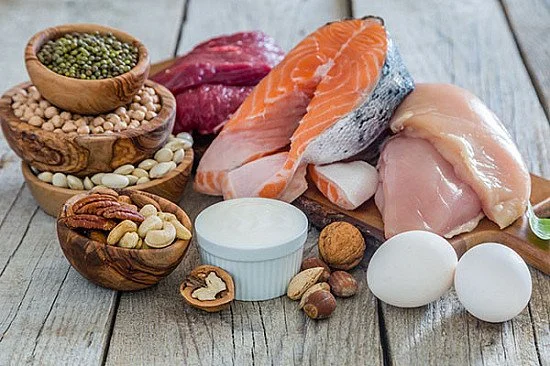
Protein is essential for healthy skin because it provides the amino acids needed to build collagen, elastin, and keratin. These structural proteins give your skin strength, elasticity, and resilience while supporting wound healing and tissue repair.
Without enough protein, your body prioritizes vital organs over your skin, which may contribute to slower healing and reduced skin integrity over time.
Excellent protein sources include:
Lean poultry and beef
Fish and seafood
Eggs
Greek yogurt and cottage cheese
Beans and lentils
Tofu and tempeh
Nuts and seeds
Aim to include a quality source of protein with each meal to support your body's ongoing repair processes.
Healthy Fats Help Maintain the Skin Barrier
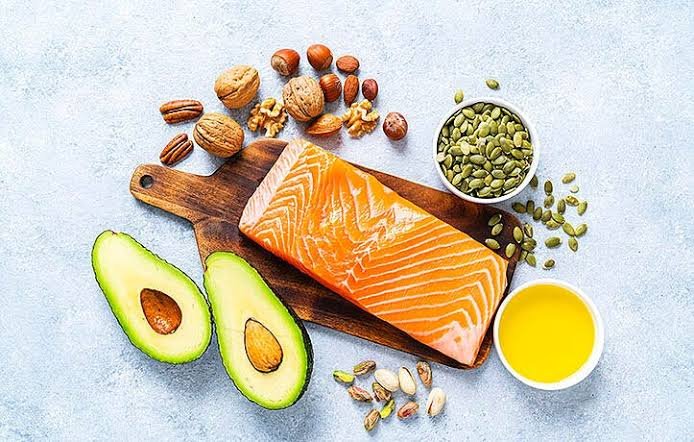
Not all fats are unhealthy. In fact, healthy fats are critical for maintaining your skin's natural moisture barrier. This barrier helps prevent water loss while protecting your skin from irritants and environmental damage.
Omega-3 fatty acids have been studied for their role in supporting the body's normal inflammatory response and maintaining skin health. Foods rich in omega-3s include salmon, trout, sardines, walnuts, chia seeds, and flaxseed.
Including these foods regularly may help support overall skin function while also benefiting heart and brain health.
Vitamins and Minerals Your Skin Loves
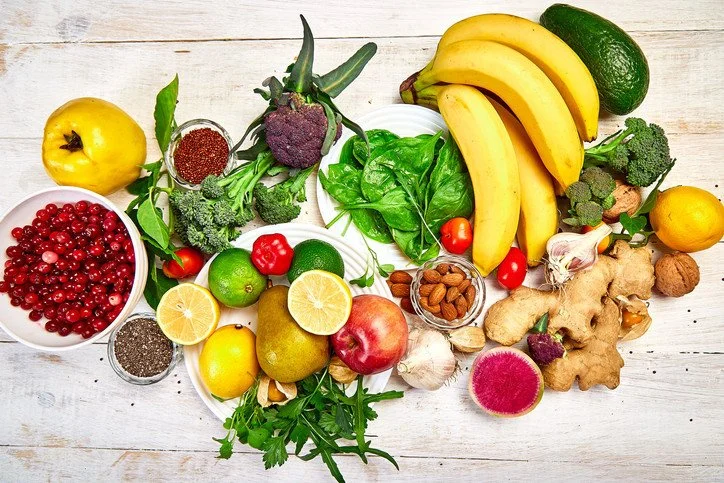
A colorful, balanced diet naturally provides many of the vitamins and minerals your skin depends on every day.
Vitamin C plays a major role in collagen production and functions as an antioxidant, helping protect skin cells from oxidative stress caused by sun exposure and pollution. Citrus fruits, strawberries, kiwi, bell peppers, and broccoli are excellent sources.
Vitamin A supports normal skin cell growth and turnover. Sweet potatoes, carrots, spinach, and kale are rich in beta-carotene, which the body converts to vitamin A.
Vitamin E works alongside vitamin C as an antioxidant and is found in almonds, sunflower seeds, peanuts, and avocado.
Zinc contributes to immune function, wound healing, and healthy skin maintenance. Good sources include beef, shellfish, pumpkin seeds, beans, and whole grains.
Rather than focusing on individual supplements, most people benefit from obtaining these nutrients through a varied diet filled with fruits, vegetables, whole grains, lean proteins, and healthy fats.
Don't Forget Hydration
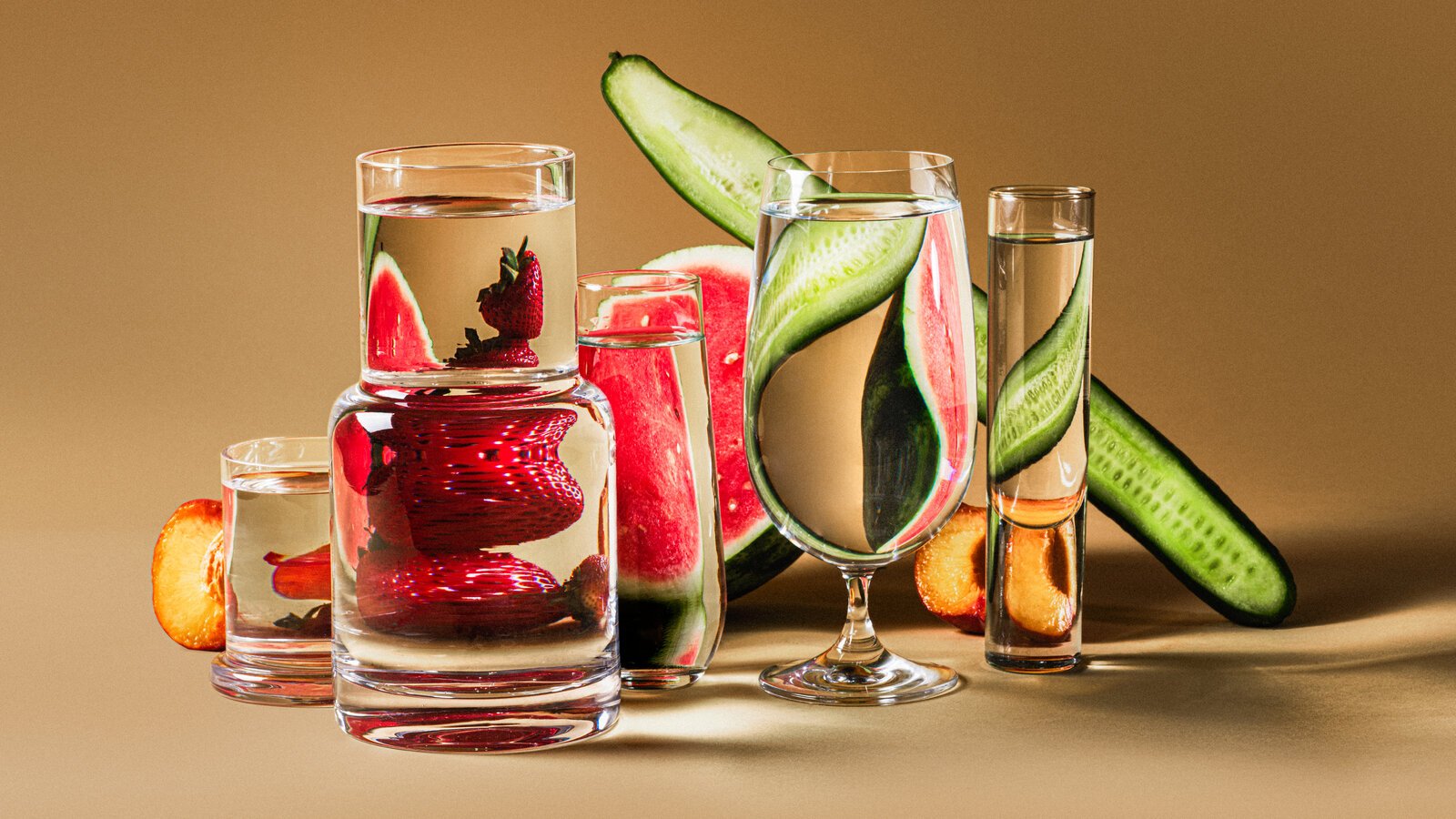
Water is essential for every cell in the body, including your skin cells. Staying well hydrated supports normal body functions and helps your skin maintain its overall appearance and elasticity.
Although drinking extra water alone won't eliminate dry skin or wrinkles, dehydration can make skin appear dull or less supple. Carrying a reusable water bottle and eating water-rich foods such as cucumbers, watermelon, oranges, and soups can help you meet your daily fluid needs.
Healthy Skin Is About Your Overall Lifestyle

Nutrition is only one piece of the puzzle. Sleep, regular physical activity, stress management, avoiding tobacco products, and protecting your skin from the sun all contribute to long-term skin health.
Rather than chasing quick fixes or restrictive diets advertised on social media, focus on building sustainable habits that nourish your entire body. Healthy skin is often a reflection of overall health.
Key Takeaway
There is no single "superfood" that guarantees glowing skin, but consistently eating a balanced diet rich in protein, colorful fruits and vegetables, healthy fats, whole grains, and adequate fluids provides your skin with the nutrients it needs to function at its best. Small, consistent choices made each day can have a lasting impact on both your health and your skin.
If you're looking to improve your skin through nutrition, a registered dietitian can help you develop a personalized plan based on your individual health needs, lifestyle, and goals.
References
Academy of Nutrition and Dietetics. Nutrition and Healthy Skin.
Pullar JM, Carr AC, Vissers MCM. The roles of vitamin C in skin health. Nutrients. 2017;9(8):866.
National Institutes of Health Office of Dietary Supplements. Vitamin C Fact Sheet for Health Professionals.
National Institutes of Health Office of Dietary Supplements. Vitamin A Fact Sheet for Health Professionals.
National Institutes of Health Office of Dietary Supplements. Zinc Fact Sheet for Health Professionals.
National Institutes of Health Office of Dietary Supplements. Omega-3 Fatty Acids Fact Sheet for Health Professionals.