Raw Milk Revisited: History, Food Safety, and Why the Conversation Isn’t So Simple
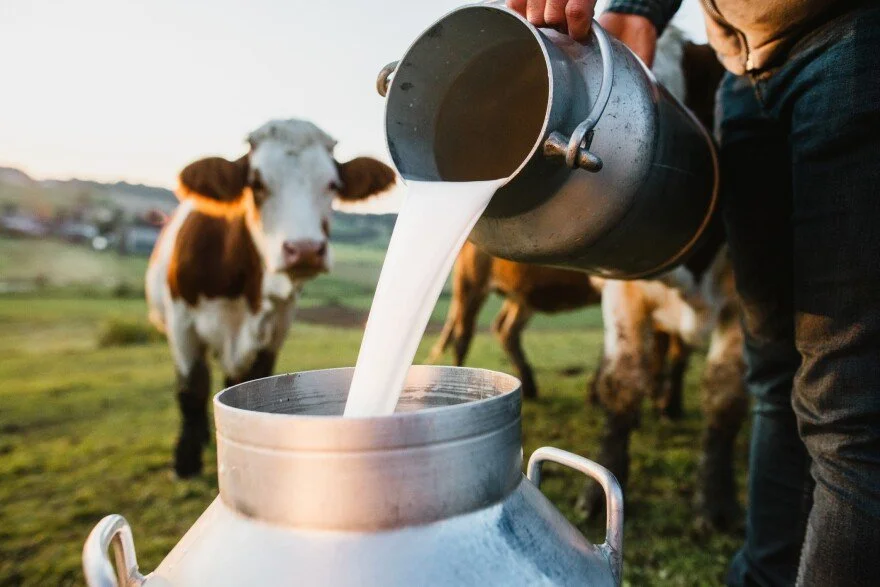
Raw milk has become one of the most controversial foods in modern wellness culture.
Depending on who you ask, it’s either a dangerous public health concern or a nutrient-rich traditional food unfairly demonized by modern food systems. Social media has only amplified the debate, with some praising raw milk for its perceived health benefits while others strongly warn against consuming it altogether.
But the reality is more nuanced than either extreme.
As someone pursuing a career in nutrition and women’s health, I think it’s important that conversations around food remain evidence-based while also allowing room for historical context, evolving research, and informed discussion. The topic of raw milk sits at the intersection of all three.
What Is Raw Milk?
Raw milk is milk from cows, goats, or sheep that has not been pasteurized. Pasteurization is a heat treatment process designed to reduce potentially harmful bacteria and pathogens in milk.¹
Before pasteurization became common, drinking raw milk was simply normal. Families often obtained milk locally from small farms, sometimes directly from their own animals. However, as cities expanded during the late 1800s and early 1900s, the food system changed dramatically.
Industrial dairies, overcrowded urban conditions, poor sanitation, and limited refrigeration created an environment where contaminated milk became a serious public health issue. Diseases like tuberculosis, typhoid fever, and scarlet fever were frequently transmitted through milk supplies.²
Infants aged as young as newborn were regularly fed raw goat or cow’s milk in place of their mother’s breastmilk. In hindsight, the staggering rates of infant mortality seem as though connected to this fact in some way. However, one statistic that stood out to me while researching this topic was that by 1891, approximately one in four infants in New York City died, with contaminated milk believed to be a major contributing factor. Pasteurization became widespread shortly after this, and infant mortality rates dropped significantly.³
There is no question that pasteurization played a major role in improving public health, but was pasteurization the only reason?


Pictured above: A baby and a child drinking from “feeding bottles” also called "murder bottles". These bottles were Victorian-era (late 1800s) baby feeding bottles made of glass or earthenware, featuring a long rubber tube and nipple that allowed infants to self-feed. They were nicknamed "murder bottles" because they were nearly impossible to clean, causing deadly bacteria buildup that killed thousands of babies.
What makes this topic interesting is that pasteurization wasn’t the only thing changing during that time period.
The late 1800s and early 1900s also saw major sanitation reforms, food safety advancements, improved waste management, and the establishment of organizations like the USDA.⁴˒⁵
In other words, public health improvements happened simultaneously across many areas of society.
That doesn’t mean pasteurization was unnecessary. It means the historical story may be more complex than many people realize.
Where Does Contamination Actually Come From?
One of the more interesting findings in recent dairy research is that contamination often occurs after the milk leaves the animal, through handling, storage, equipment sanitation, or transportation, rather than from the milk itself immediately after milking.⁶
Research has shown that farms using strict hygiene practices, employee training, microbial testing, and standardized sanitation protocols tend to have significantly lower contamination rates.⁷
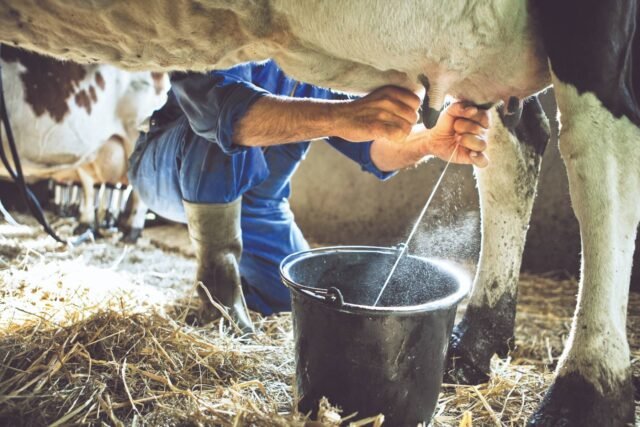
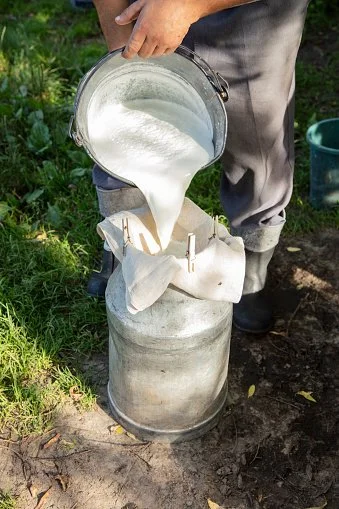
This matters because it suggests risk is not necessarily identical across all raw milk production systems.
The Bigger Food Safety Conversation
When raw milk is discussed publicly, it is often framed as uniquely dangerous. But foodborne illness is actually a much broader issue.
According to the CDC, foodborne illness causes an estimated 48 million illnesses and around 3,000 deaths annually in the United States.⁸
And raw milk is far from the only food associated with outbreaks.
Recent surveillance data suggests that raw milk-related outbreaks are typically smaller and more localized than outbreaks tied to ready-to-eat foods or certain fresh produce items.⁹˒¹⁰
For example, romaine lettuce has been associated with multiple severe E. coli outbreaks in recent years, including hundreds of illnesses and several deaths between 2017 and 2018 alone.¹¹
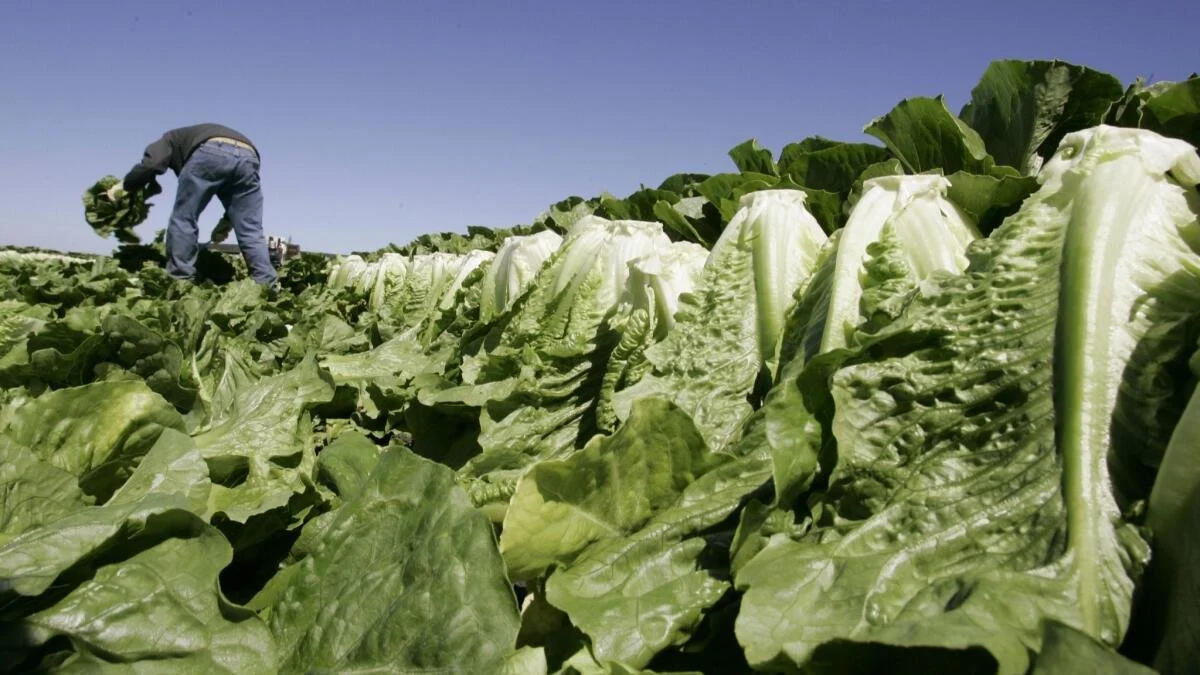
That comparison doesn’t eliminate the risks associated with raw milk. Rather, it highlights that food safety discussions are often more complicated than labeling one food as “safe” and another as “unsafe.”
Every food system carries some level of risk.
What This Means for Nutrition Professionals
As dietitians and healthcare professionals, I think our role is not simply to repeat headlines or social media talking points. Our role is to help people make informed decisions using context, evidence, and individualized education.
Many consumers today are increasingly interested in:
locally sourced foods
regenerative agriculture
minimally processed foods
small farming systems
traditional food practices
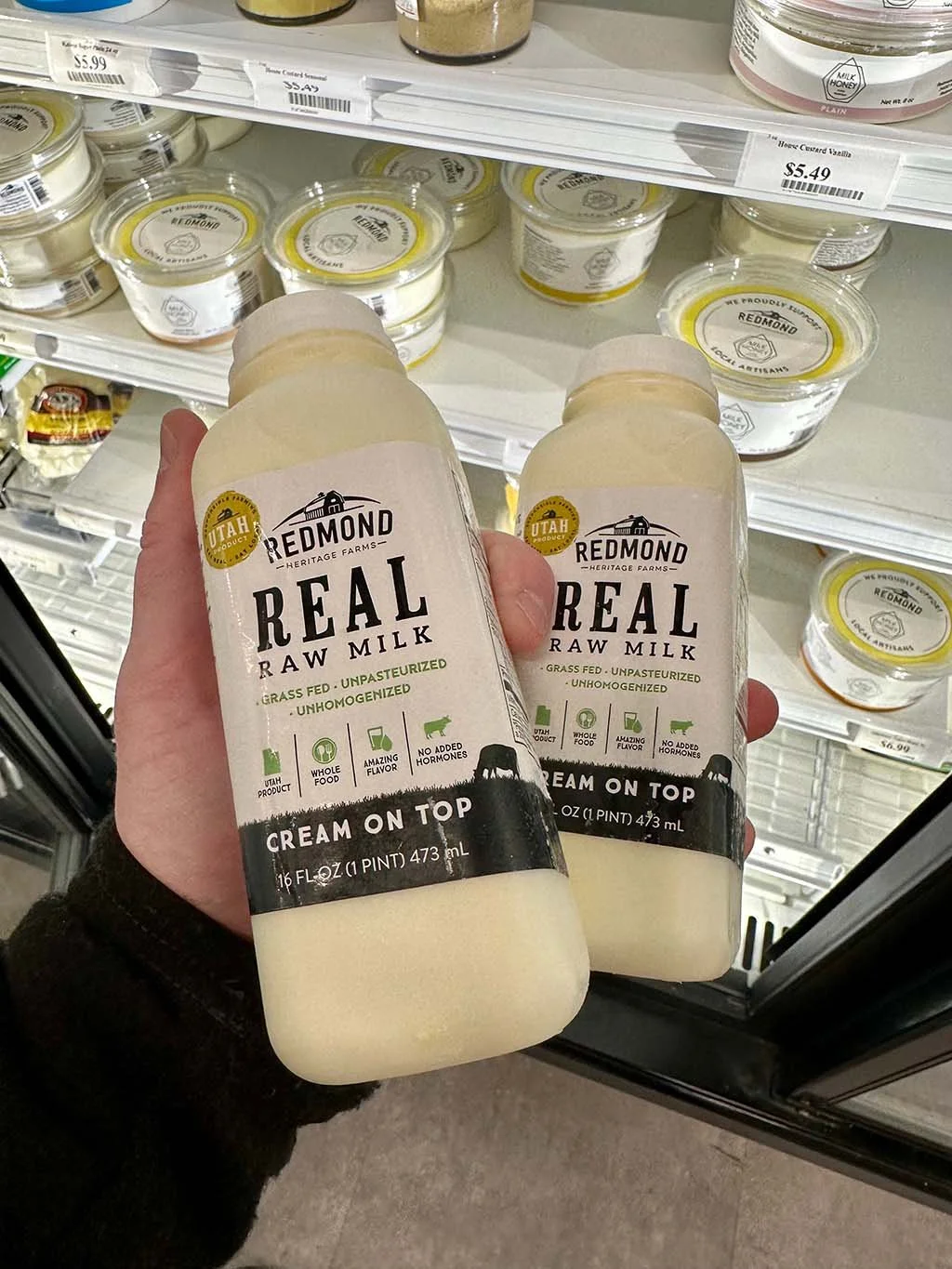

Ignoring those interests entirely can create mistrust between healthcare professionals and the communities they serve.
At the same time, it’s essential to acknowledge that certain populations remain more vulnerable to foodborne illness, including:
pregnant women
infants and young children
older adults
immunocompromised individuals
These risks should absolutely be part of the conversation.
Final Thoughts
Raw milk is not a simple topic, and I don’t believe it should be treated like one.
Historically, pasteurization dramatically improved public health outcomes. At the same time, modern research suggests that contamination risk is influenced heavily by sanitation practices, handling procedures, and production systems.⁶˒⁷
In today’s world, where more people are questioning how food is produced and seeking deeper connections to local agriculture, I think there is room for more balanced conversations surrounding raw milk, conversations rooted in both public health and thoughtful discussion rather than fear alone.
As nutrition professionals, remaining informed, nuanced, and evidence-based matters now more than ever.
References
Centers for Disease Control and Prevention. Raw Milk. CDC Food Safety. Published May 22, 2024.
Currier RW, Widness JA. A Brief History of Milk Hygiene and Its Impact on Infant Mortality from 1875 to 1925 and Implications for Today: A Review. Journal of Food Protection. 2018;81(10):1713-1722.
Schwarcz J. Who First Suggested Milk Be Pasteurized? McGill University Office for Science and Society. Published July 21, 2017.
Sanitation Foundation. A History of Heroism. Published March 11, 2019.
USDA Food Safety and Inspection Service. Our History. Published 2012.
Journal of Dairy Science. Invited Review: Redefining Raw Milk Quality—Evaluation of Raw Milk Microbiological Parameters to Ensure High-Quality Processed Dairy Products. Published online January 9, 2023.
Berge AC, Baars T. Raw Milk Producers with High Levels of Hygiene and Safety. Epidemiology and Infection. 2020;148.
USDA Food Safety and Inspection Service. Foodborne Illness and Disease. Published October 21, 2020.
CDC. Raw Milk. Food Safety. Published May 22, 2024.
CDC. Foodborne Outbreaks. Published May 13, 2024.
USDA Economic Research Service. STEC Outbreaks in Romaine Lettuce Peak in April and October, 1998–2018. Published 2018.